 English
 አማርኛ
አማርኛ


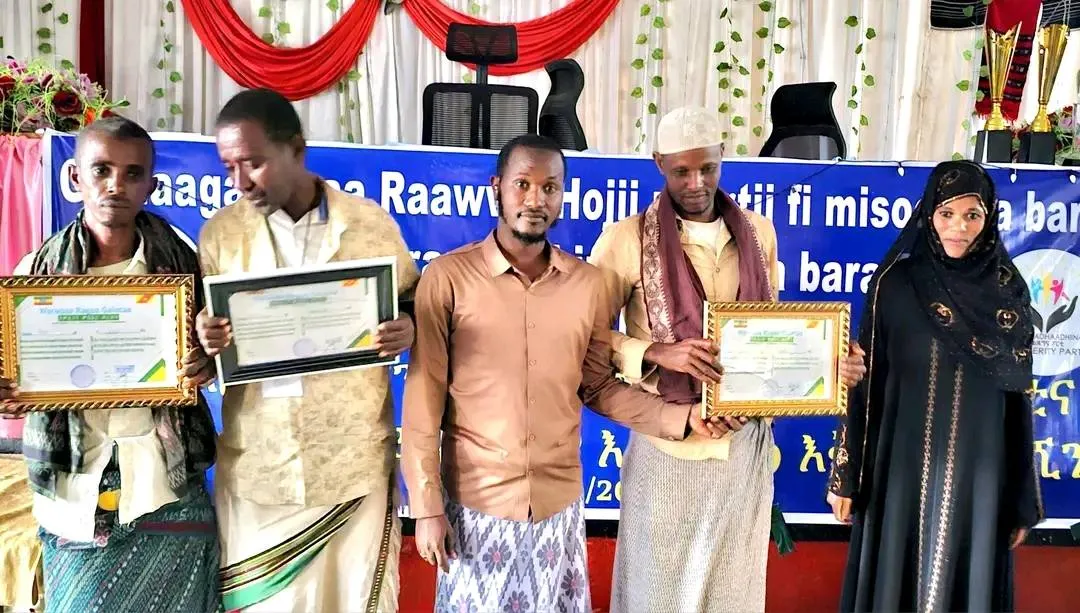








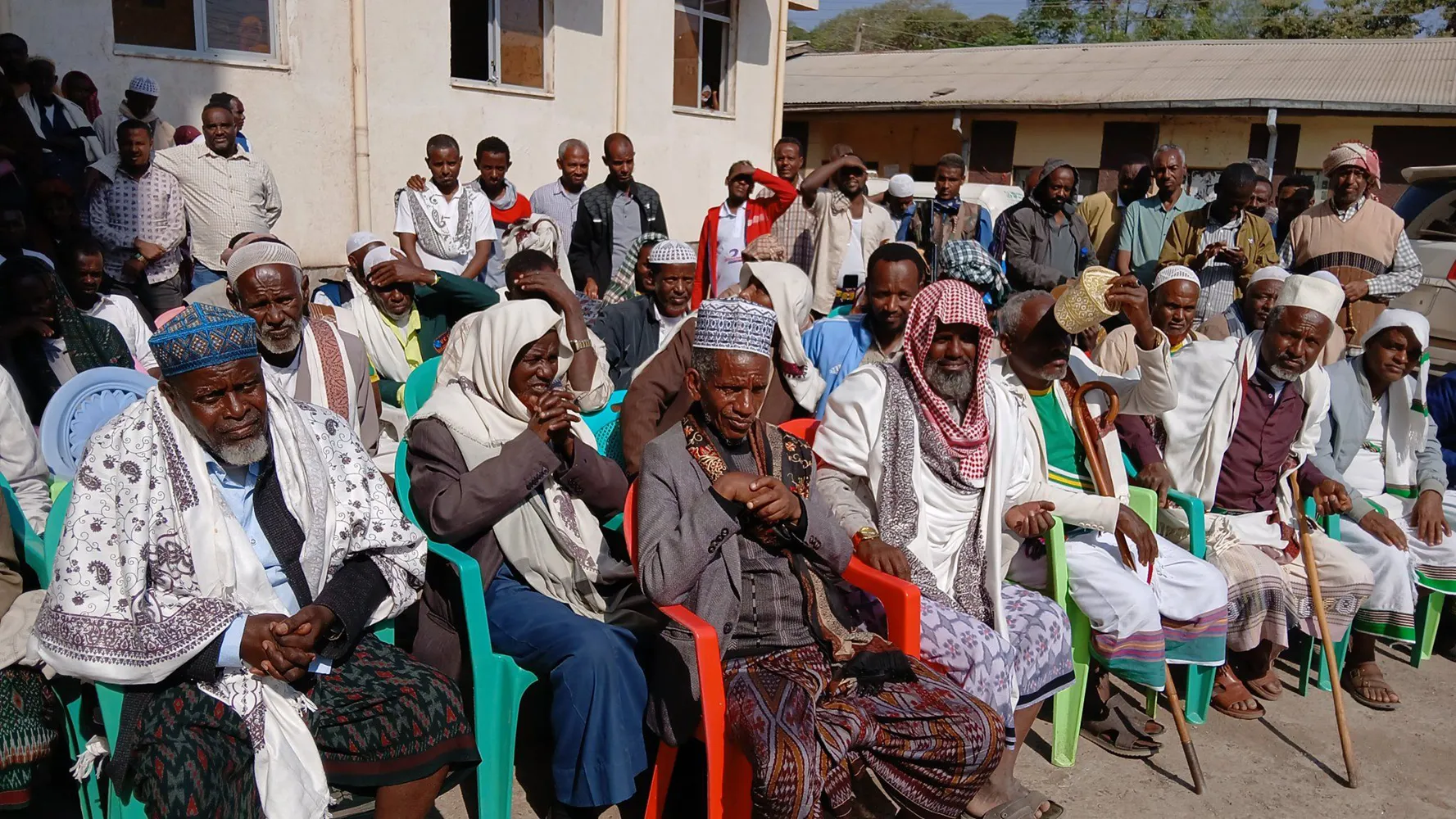
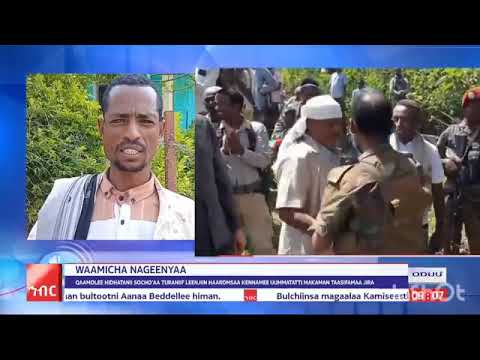
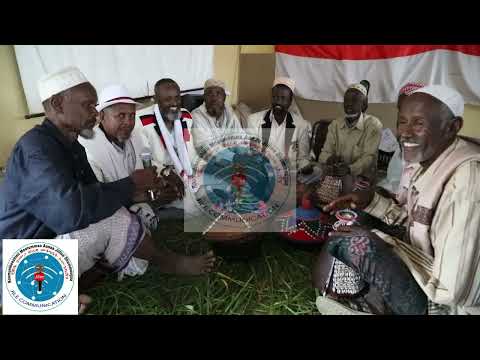
Sera Aba Orema literally translates to "The Law of the Oromo Father." It is an administrative law established as a substitute for the Gada system, which had weakened in the district for various reasons and could no longer be effectively practiced. This system is traditionally understood in two main branches.
The first part of Sera Aba Orema is known as Jela, which literally means a "large and wide highway." Although this law is not written or documented in a tangible form, it has existed in the collective memory of each generation for ages and has been passed down orally from one generation to the next.
The second part is the system known as "Buuda/Baasa", which is used to adjudicate novel crimes—those that have never been seen or heard of in the community. For example, when an unprecedented crime occurs, the elders gather and begin their deliberation by saying “Mee”, a term used to ask whether the crime has been known or heard of before. If the crime is found to have occurred previously, either locally or elsewhere, it is judged and executed according to the precedent—this process falls under the Jela system.
However, if the elders determine that the crime is entirely new to the area, it is classified as Bude/Base, meaning a "wonder" or "miraculous event." The judgment for such a crime is as unique as the event itself. Consequently, because the crime is unprecedented, it is punished according to three specific types of penalties.
Sera Aba Orma