 English
 አማርኛ
አማርኛ






Making Cities Favorable for Investment, Trade and Tourism Will Continue to Be Strengthened
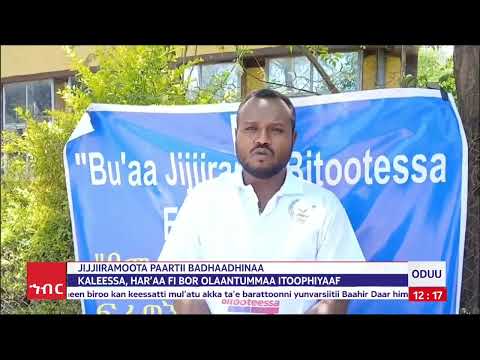
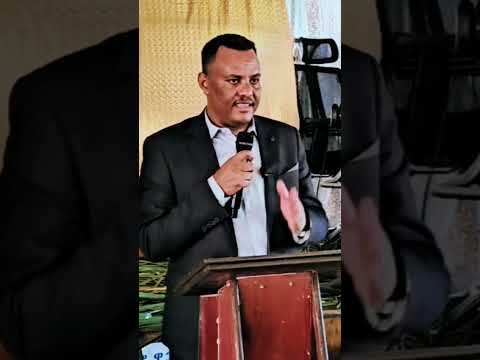
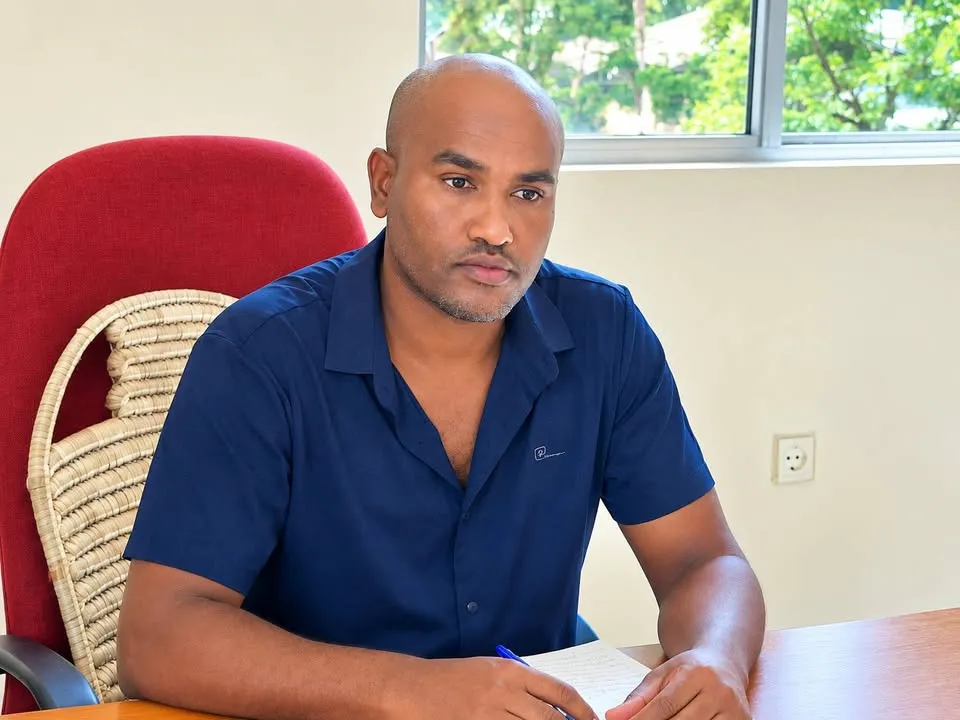
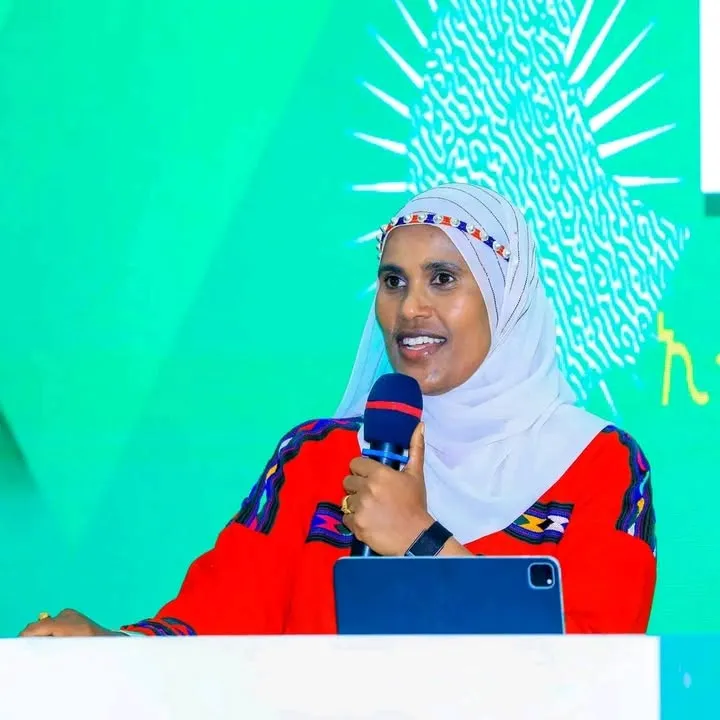
The Minister of Urban and Infrastructure Development, Ms. Caaltu Saanii, said that the works to make cities in Ethiopia more attractive for investment, trade and tourism will continue.
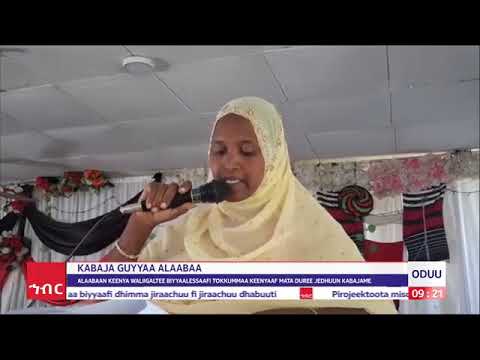
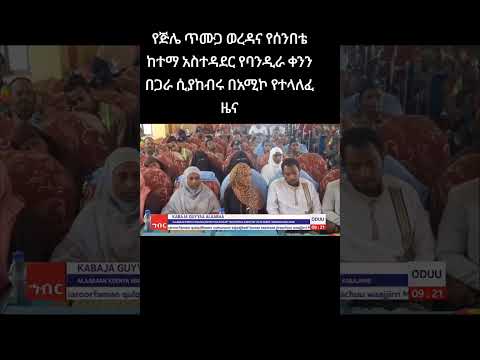
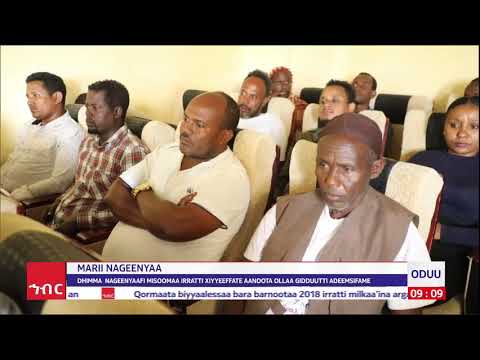
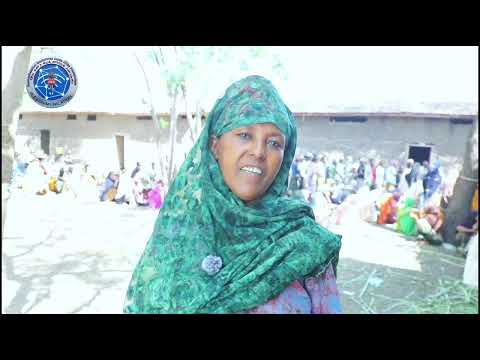
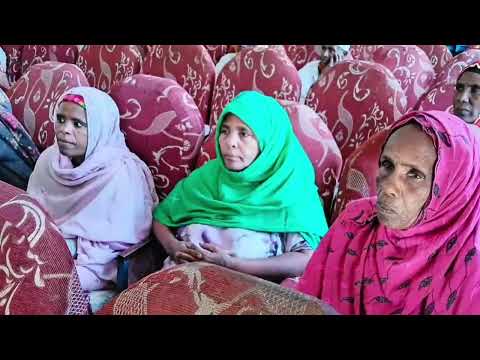
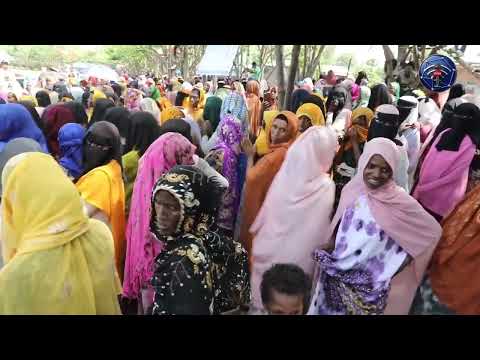
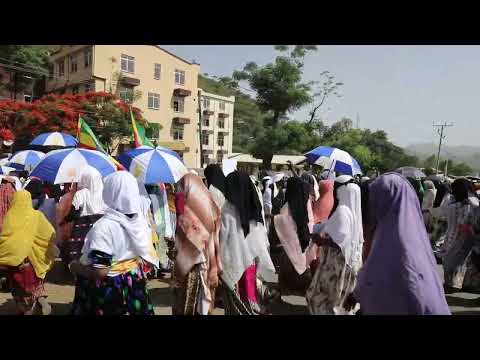
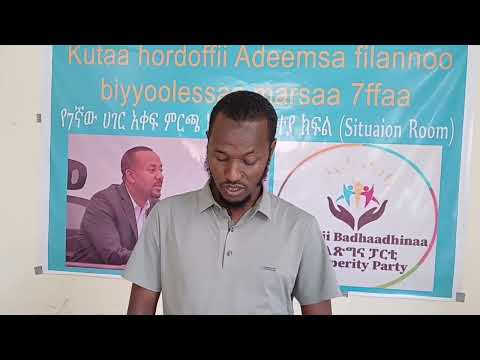
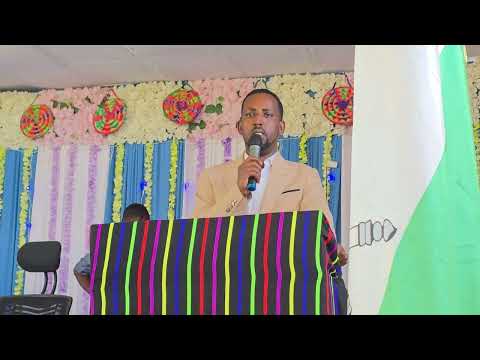
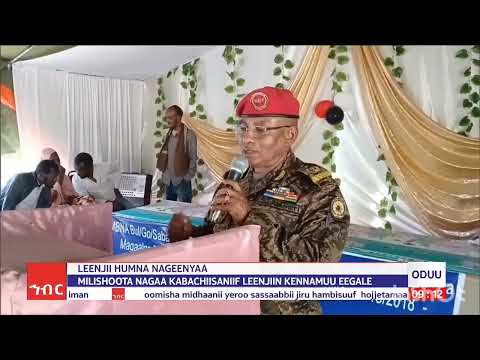
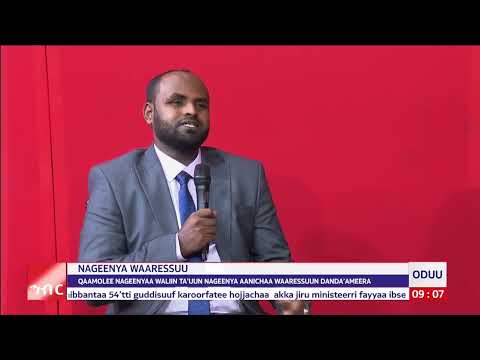
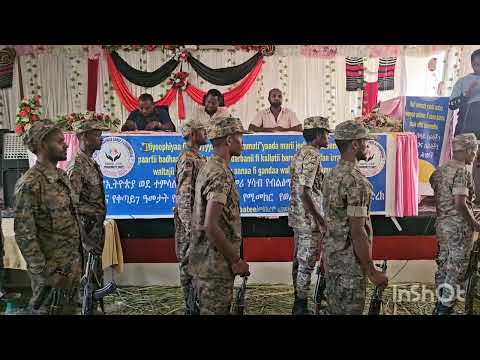
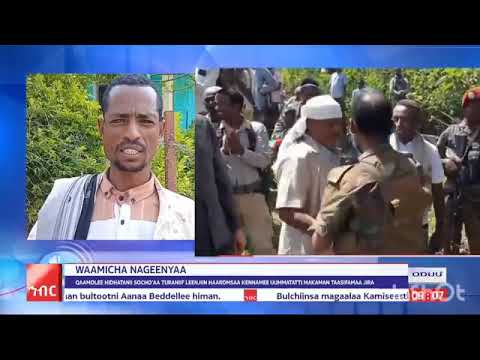
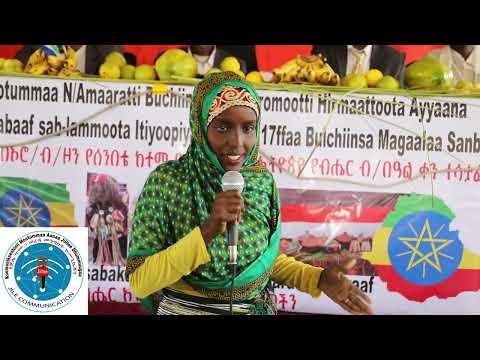
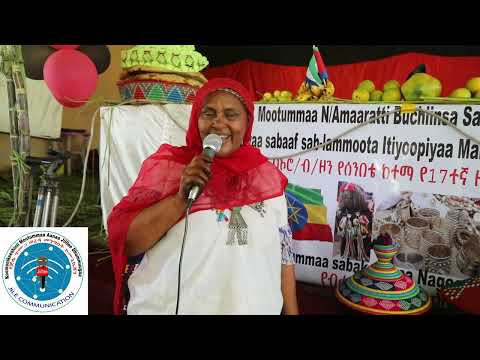
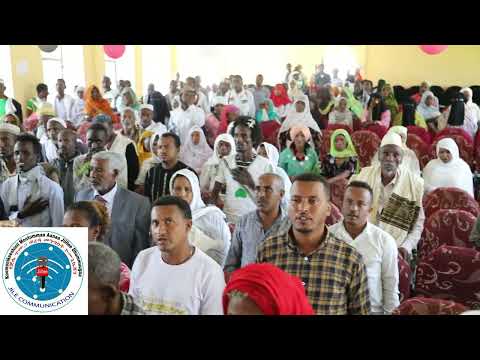
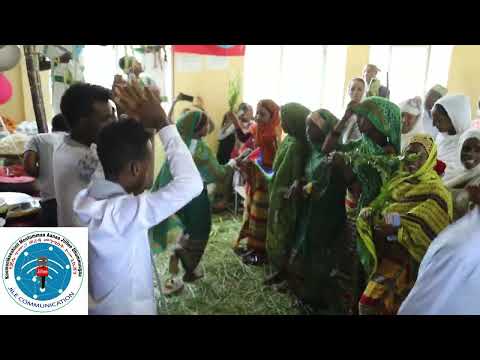
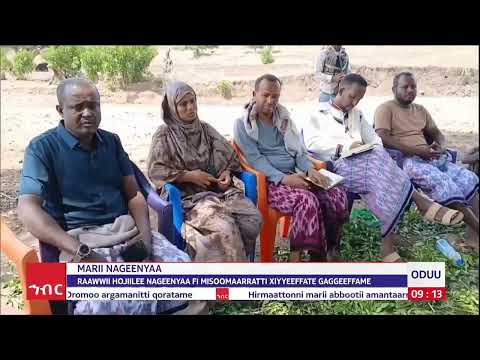
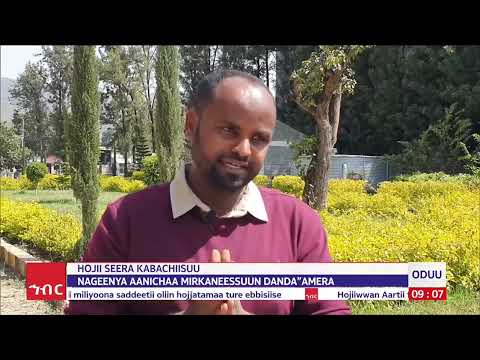
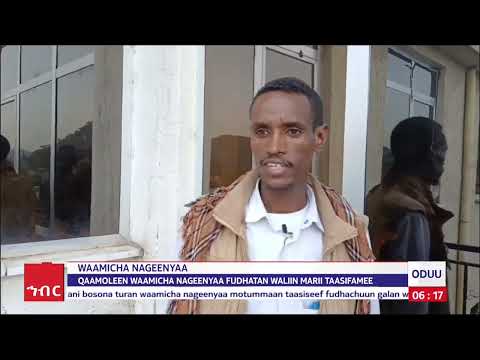
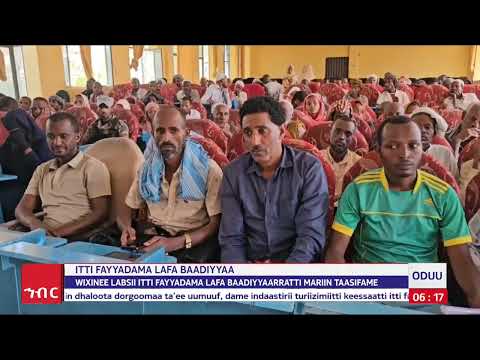
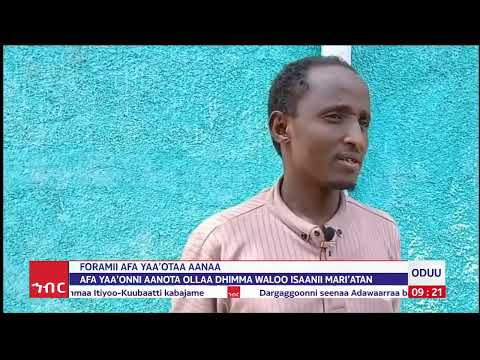
The Ethiopian Press Agency is holding a forum entitled "Ethiopian Urban Corridor Development" in Kamise.
The Honorable Ms. Caaltuu Saanii said that coordinated efforts are being made to bring about rapid urban development and ensure overall prosperity.
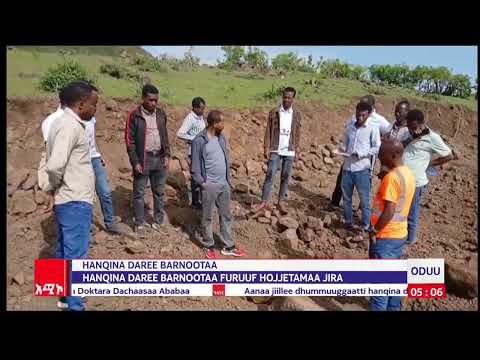
Work is being done to accelerate the social and economic development of the cities based on the construction of infrastructure development and providing fast and responsible services, he said. Particular attention has been paid to making cities preferable for investment, tourism and trade through corridor development, Masob one-stop service, digitalization and implementation of "Smart City", he said.
This will enable the youth to create job opportunities, transfer knowledge and experience and establish Ethiopia's development on a convincing foundation, he said.
He said the housing construction work started by the government, associations and entrepreneurs will continue to be intensified to alleviate the housing problem keeping in mind the people living in low living standards in the cities. This will not only create greater motivation and hope but also help ensure overall prosperity, he said.
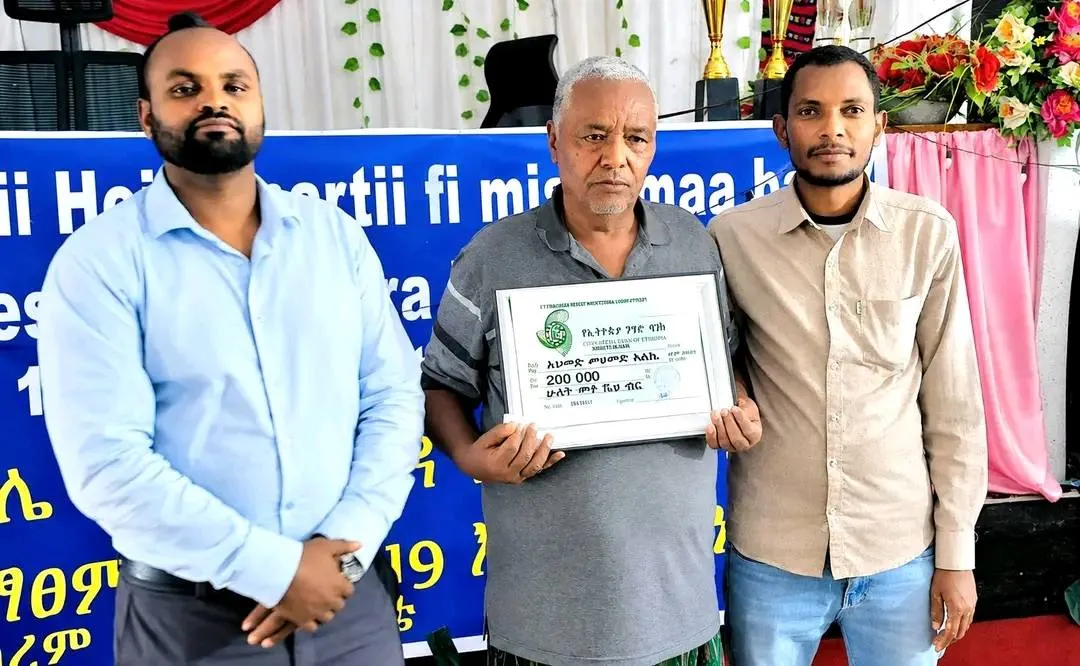
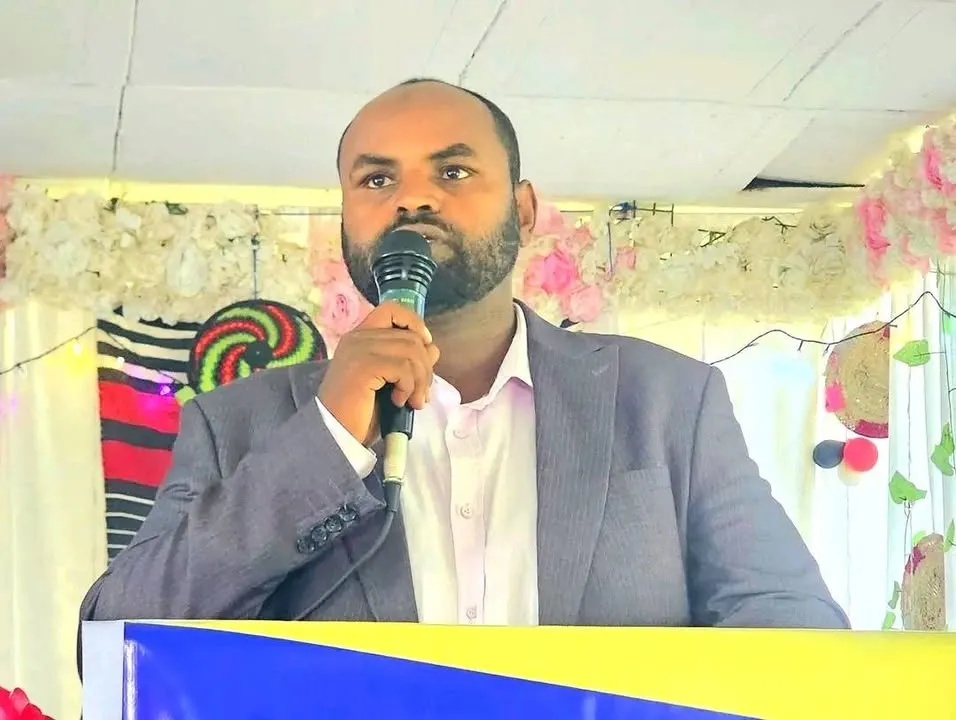
The Chief Governor of Saba Oromo Regional State, Ahmed Ali, said that work is being done to benefit the cities in the region through corridor development and other infrastructure developments.
This has enabled the leadership to strengthen close coordination with the people and has brought about changes in maintaining peace in the district, he said.
The forums launched by the Ethiopian Press Agency have created a favorable environment for discussions on lasting peace, development and national unity, he said.
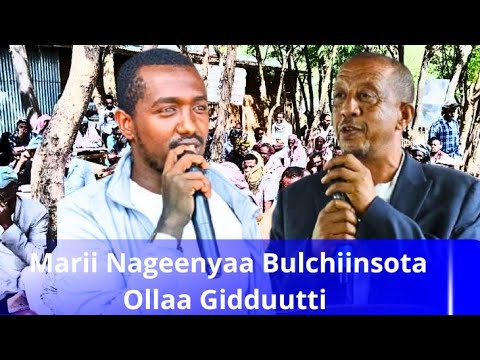
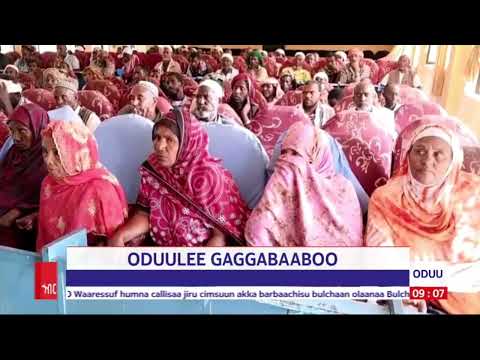
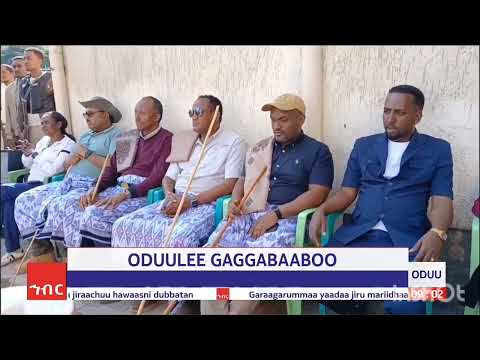
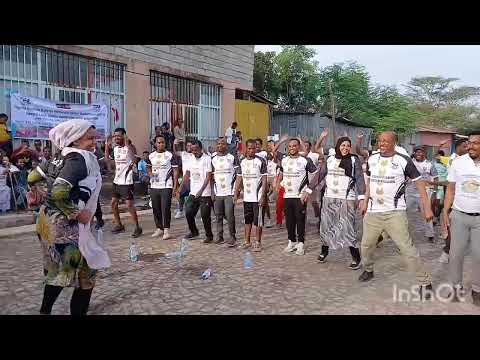
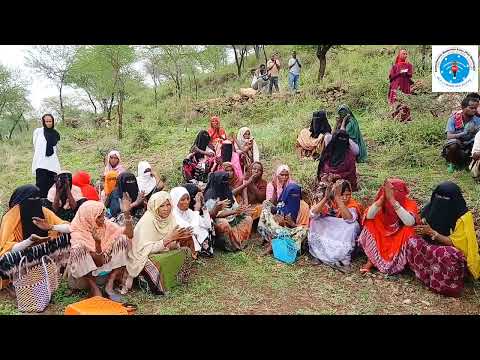
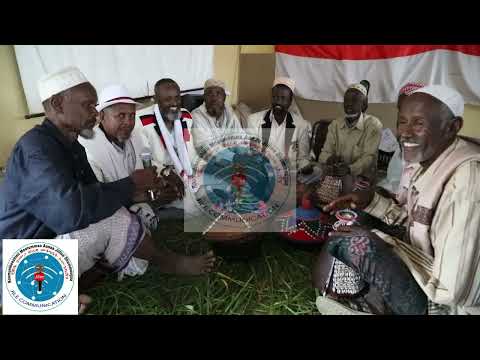
The discussion is also being attended by Federal, State, District and City leaders, Abbots of Gada, Religious Leaders, Elders and other stakeholders.